Our Therapies
Exosome-Based Treatments for Skin & Hair
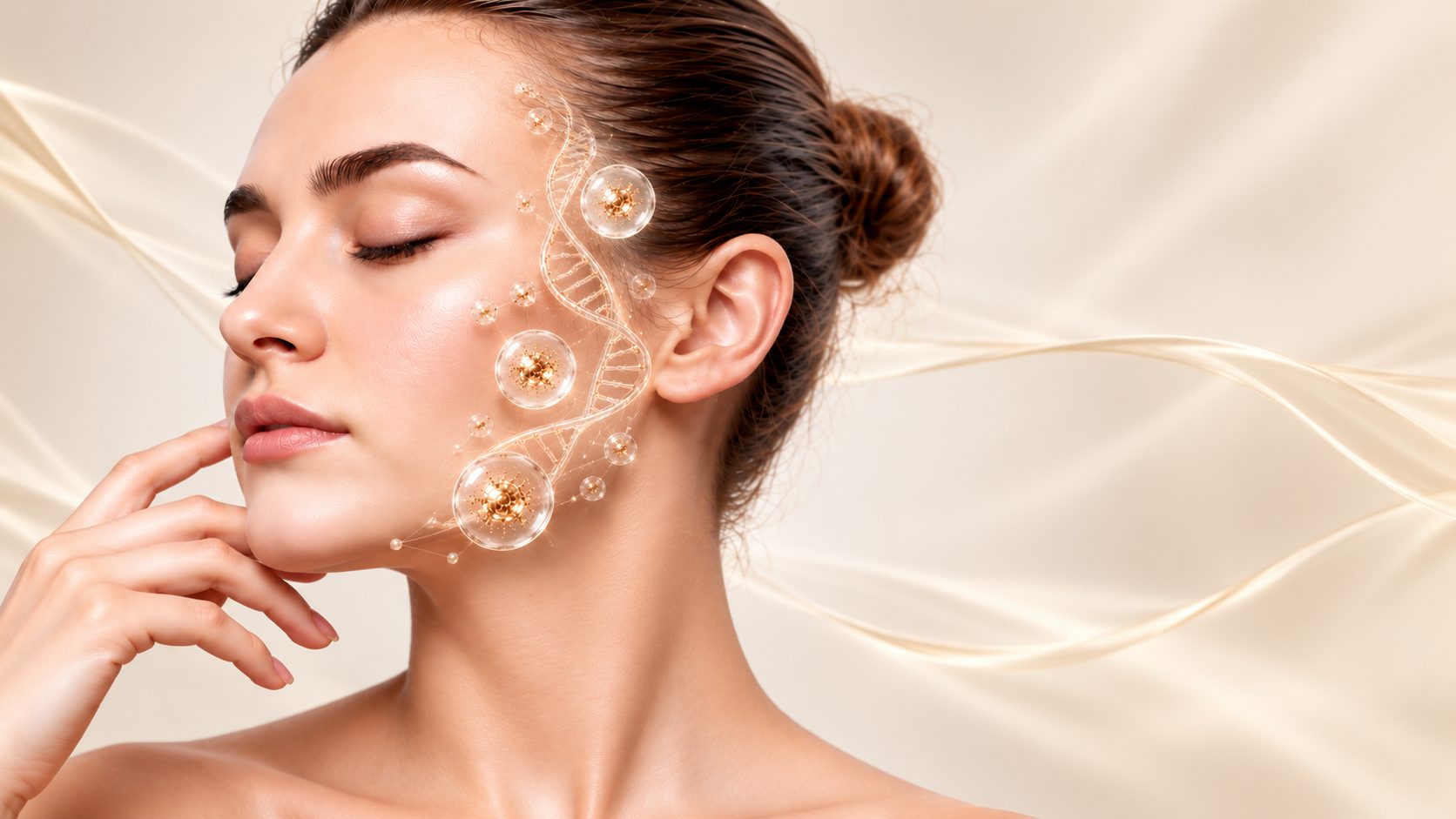
Exosomes are microscopic extracellular vesicles involved in cell-to-cell communication. In aesthetic and hair-loss practice, exosome-based products are being investigated and used as regenerative adjuncts, but the evidence base and regulatory status vary by product and indication.
At Dr Ahmet Demir Clinic, any exosome-based protocol is considered within a broader medical assessment rather than presented as a guaranteed replacement for established treatments.
Contents
What Are Exosomes?
Exosomes are small extracellular vesicles that can carry proteins, lipids and nucleic-acid signals between cells.
Commercial exosome-based aesthetic products differ substantially in source, processing, concentration and quality; these characteristics matter when considering treatment.
Skin Applications
Exosome-based products may be used as adjuncts in selected skin-rejuvenation protocols, often alongside microneedling or other procedures.
Potential goals include supporting skin quality, texture and recovery, but results vary and should not be described as guaranteed.
Hair and Scalp Applications
In hair-loss practice, exosome-based products are sometimes used as supportive treatments for thinning hair.
They should not replace appropriate diagnosis of androgenetic alopecia, nutritional or hormonal problems, inflammatory scalp disease or other treatable causes of hair loss.
How Is Treatment Performed?
Depending on the product and clinical protocol, application may involve microneedling or targeted delivery to the skin or scalp.
Topical anaesthetic can be used when required.
Appointment time is often relatively short, but the exact protocol depends on the treatment area and product.
How Many Sessions Are Needed?
There is no single evidence-based session number suitable for everyone.
Treatment frequency should be determined according to the indication, product instructions, the patient's condition and the broader treatment plan.
Product Quality and Traceability
Because exosome-based products vary widely, product origin, manufacturing standards, sterility, storage requirements and regulatory status should be reviewed carefully.
Cold-chain handling may be required for some products according to manufacturer specifications.
Exosomes vs PRP or Mesotherapy
These approaches are biologically and technically different and should not be compared solely by marketing claims such as 'thousands of times stronger'.
The appropriate option depends on the diagnosis, evidence, patient preference and treatment objectives.
Safety and Expectations
Temporary redness, tenderness or swelling can occur depending on the delivery method.
Patients should be informed that regenerative-aesthetic treatments continue to evolve and that the strength of evidence differs by indication.
Medical Assessment First
For hair loss, we first assess the pattern and possible causes of shedding and determine whether medical treatment, supportive treatment or hair transplantation is more appropriate.
For skin treatment, the plan is based on skin quality, pigmentation, scarring, ageing pattern and the patient's goals.
Message us for a free preliminary assessment
Send your photo via WhatsApp and we'll get back to you with a physician's assessment on suitability and planning.